How to Know When It’s Time for New Tires
Your tires are your car’s only contact with the road. No matter how powerful your engine is or how advanced your braking system may be, worn tires can completely undermine your vehicle’s performance and safety. Yet, many drivers unknowingly roll around on rubber that’s past its prime, risking poor handling, longer stopping distances, and even blowouts.
So, how do you really know when it’s time for tire replacement? The answer isn’t just about age or mileage. Let’s walk through the signs, symptoms, and smart habits that will help you stay safe—and avoid bigger problems down the road.
The Importance of Healthy Tires
Tires do a lot more than just keep your car rolling. They’re essential for grip, stability, fuel efficiency, and overall control. When your tires are in good shape, you enjoy a smoother ride, better traction in bad weather, and improved braking response.
But worn tires? They compromise everything. Even if the rest of your vehicle is in top condition, bald or damaged tires can put you—and everyone around you—at serious risk. That’s why tire care isn’t just maintenance. It’s a matter of vehicle safety.
Sign #1: Your Tread Depth Is Too Low
Tire tread is the patterned part of the tire that grips the road. Over time, this wears down. When it gets too shallow, your tires can’t channel water effectively, increasing your risk of hydroplaning in wet conditions.
So, how much tread is enough?
The legal minimum in many places is 2/32 of an inch, but at Advanced Auto Clinic, we recommend replacing your tires when tread reaches 4/32 of an inch—especially if you often drive in rain or snow.
Try the penny test:
- Insert a penny into your tire tread with Lincoln’s head facing down.
- If you can see the top of his head, your tread is dangerously low—it’s time for tire replacement.
For a more accurate measurement, we can measure tread depth during a maintenance check or while rotating your tires.
Sign #2: You Notice Uneven Tire Wear
Uneven wear isn’t just a tire problem—it’s a vehicle health warning. It might indicate poor alignment, worn suspension components, or even an unbalanced wheel.
Here’s what to watch for:
- Inner or outer edge wear: Often caused by alignment issues.
- Center wear: Could mean your tires are overinflated.
- Cupping or scalloping: Usually a result of worn shocks or suspension parts.
If you notice any of these patterns, don’t just replace the tires—get a proper diagnosis to address the root cause. Our expert mechanics in Niagara Falls specialize in diagnostics and repairs that go beyond the surface.
Sign #3: Cracks, Bulges, or Damage
Tires age from the inside out. Exposure to sun, temperature changes, and regular road hazards eventually takes a toll on the rubber’s structure. Cracks, bulges, and blisters on the sidewall are clear signs your tires are no longer safe.
What to look for:
- Sidewall cracking: Can indicate dry rot.
- Bulges or bubbles: Often caused by impact damage or internal structural failure.
- Cuts or embedded debris: Foreign objects may compromise the tire’s integrity.
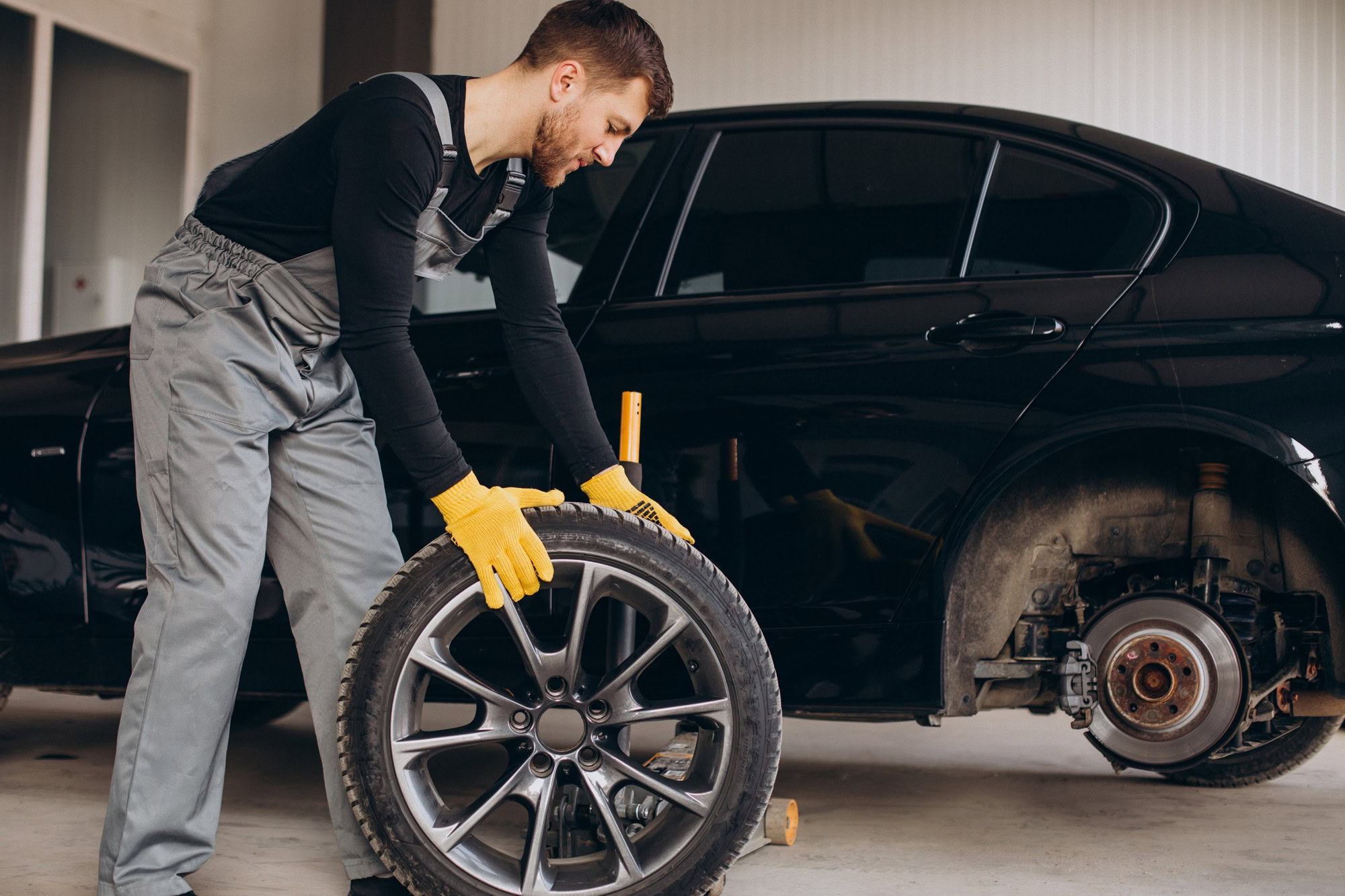
If you spot any of these, it’s best to have your tires inspected immediately. These aren’t cosmetic flaws—they can lead to sudden blowouts on the highway.
Sign #4: Your Car Is Vibrating More Than Usual
Some vibration while driving is normal, especially on rough roads. But if you’re feeling a new vibration, especially through the steering wheel or seat, don’t ignore it.
Excessive vibration could mean:
- Uneven tire wear
- A separated tire
- Wheel misalignment
- Suspension issues
The team at Advanced Auto Clinic is trained to diagnose the source of vibration. Whether it’s your tires or something deeper, we’ll make sure your vehicle’s ride is smooth and safe again.
Sign #5: You’ve Hit the Mileage Limit
Most tires are designed to last between 40,000 and 100,000 kilometers, depending on the brand and driving conditions. Check your owner’s manual and tire warranty to understand the expected lifespan of your current set.
Keep in mind:
- High-performance tires often wear out faster.
- Driving habits like hard braking and fast cornering accelerate wear.
- Harsh winters, rough roads, and towing can reduce tire life.
If you’re not sure how old your tires are, check the DOT code on the sidewall. The last four digits show the week and year the tire was manufactured. For example, “2419” means it was made in the 24th week of 2019. If your tires are over 6 years old, it’s a good idea to have them evaluated, even if the tread still looks decent.
Sign #6: Your Vehicle Handles Differently
If your car feels like it’s drifting or isn’t as responsive as it used to be, don’t blame your steering right away—your tires could be the culprit.
Handling symptoms that point to worn tires:
- Poor traction, especially when cornering or stopping
- Longer braking distances
- A general “slippery” feeling on wet roads
- Pulling to one side, even when the alignment is fine
Worn tires lose their ability to grip the road, which puts you at risk, especially in emergency situations.
Keeping Your Tires (and Car) in Top Shape
To get the most life out of your tires, follow these simple habits:
- Rotate your tires regularly (every 8,000–10,000 km)
- Check your air pressure monthly
- Schedule wheel alignments if your car pulls or you’ve hit a major pothole
- Balance your tires with every rotation or when replacing them
- Inspect for damage every time you wash your car or fuel up
At Advanced Auto Clinic, we include basic inspections with many of our services, and we can alert you to tire issues before they become dangerous. It’s just one way we help our Niagara Falls community drive safer and smarter.
Don’t Wait for a Blowout to Replace Your Tires
Tires don’t last forever, and waiting too long to replace worn tires can lead to more expensive repairs or even dangerous situations on the road.
If you’re noticing bald spots, strange vibrations, poor traction, or just aren’t sure about the condition of your tires, let our expert technicians take a look. With 20+ years of experience, industry-leading diagnostics, and a reputation built on transparency and professionalism, Advanced Auto Clinic is the go-to destination for tire services in Niagara Falls.
Need extra incentive? Take advantage of our Oil Change Special, which includes a tire rotation and visual brake/steering/suspension inspection—all in one convenient service. It’s a smart way to extend the life of your tires and keep your vehicle running smoothly.